
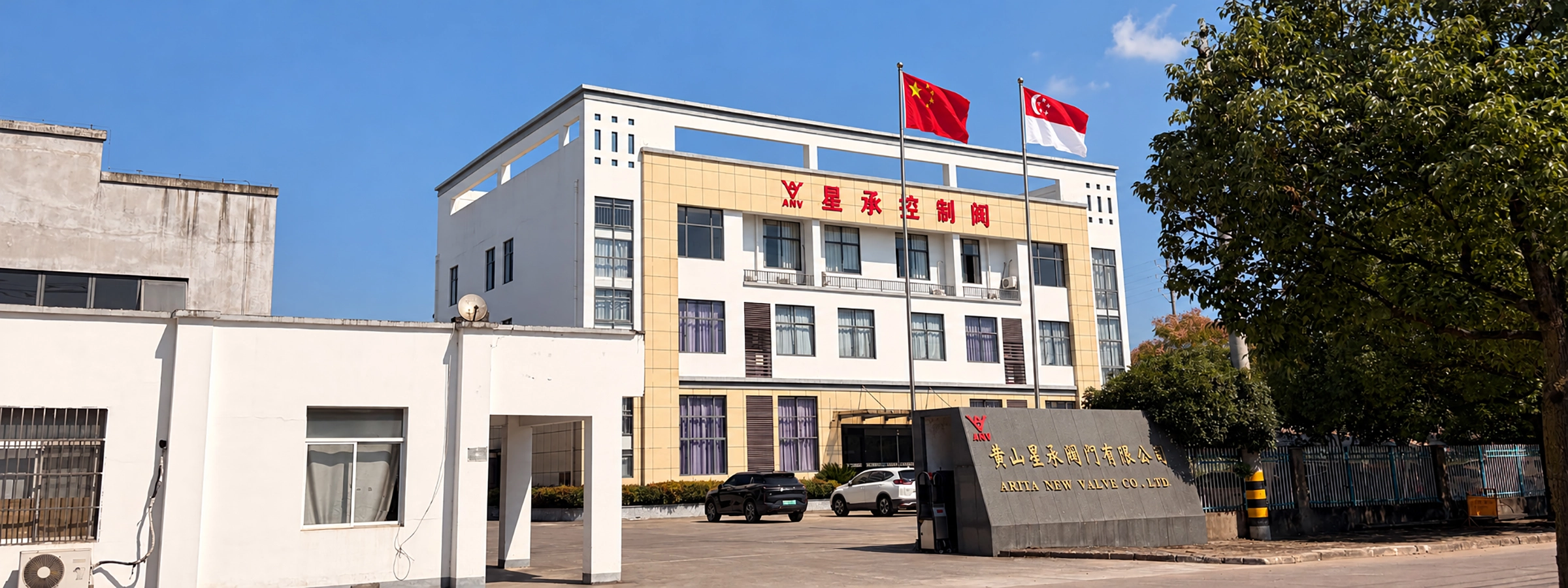
Industrial Ball Valve Manufacturer
Floating and trunnion-mounted ball valves from our Huangshan factory. Share your operating conditions for configuration review and quotation.
HUANGSHAN, ANHUI · CHINA
Explore Ball Valves ↗
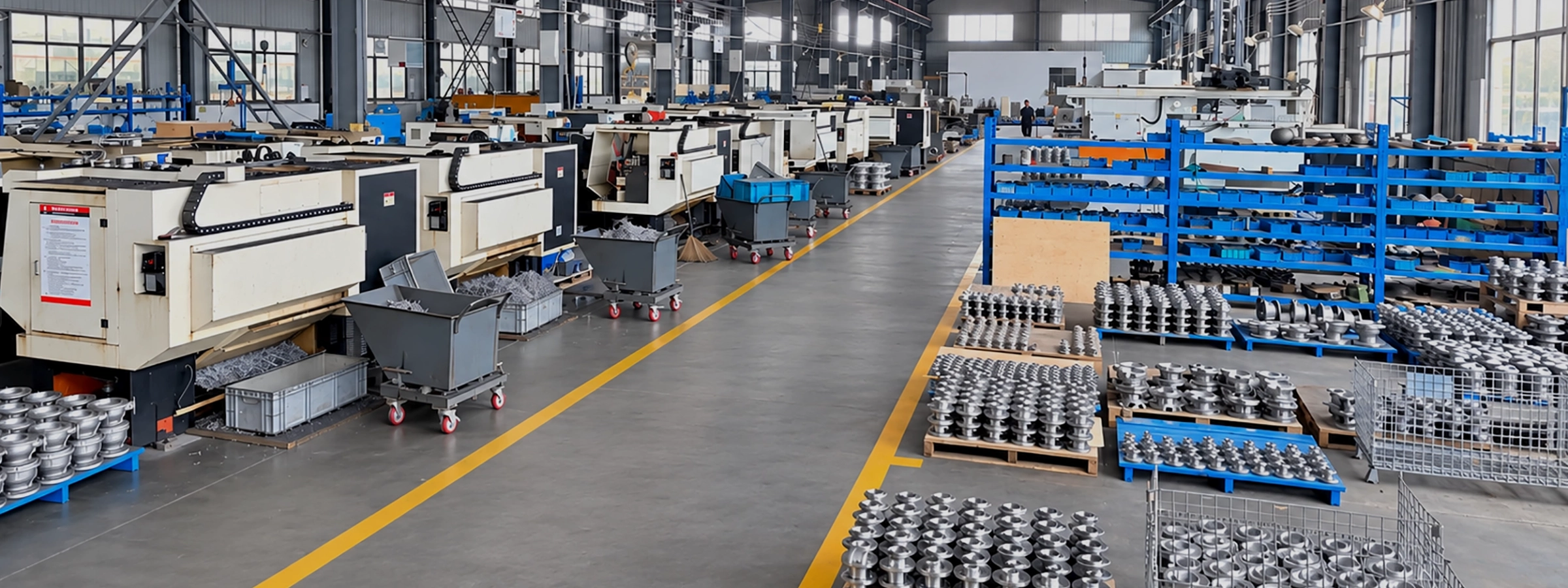
Ball Valve Manufacturing Workshop
CNC machines, production aisles and valve components—see the manufacturing floor behind ARITA’s industrial ball valve range.
MACHINING · ASSEMBLY · INSPECTION
Explore Our Factory ↗Industrial Ball Valves
All products ↗Explore seven ball valve categories. Compare designs, browse product details and discuss your application with our team.
Swipe or scroll to explore categories
Floating Ball Valves
ARITA NEW VALVE · INSIDE THE FACTORY
Manufacturing & Inspection
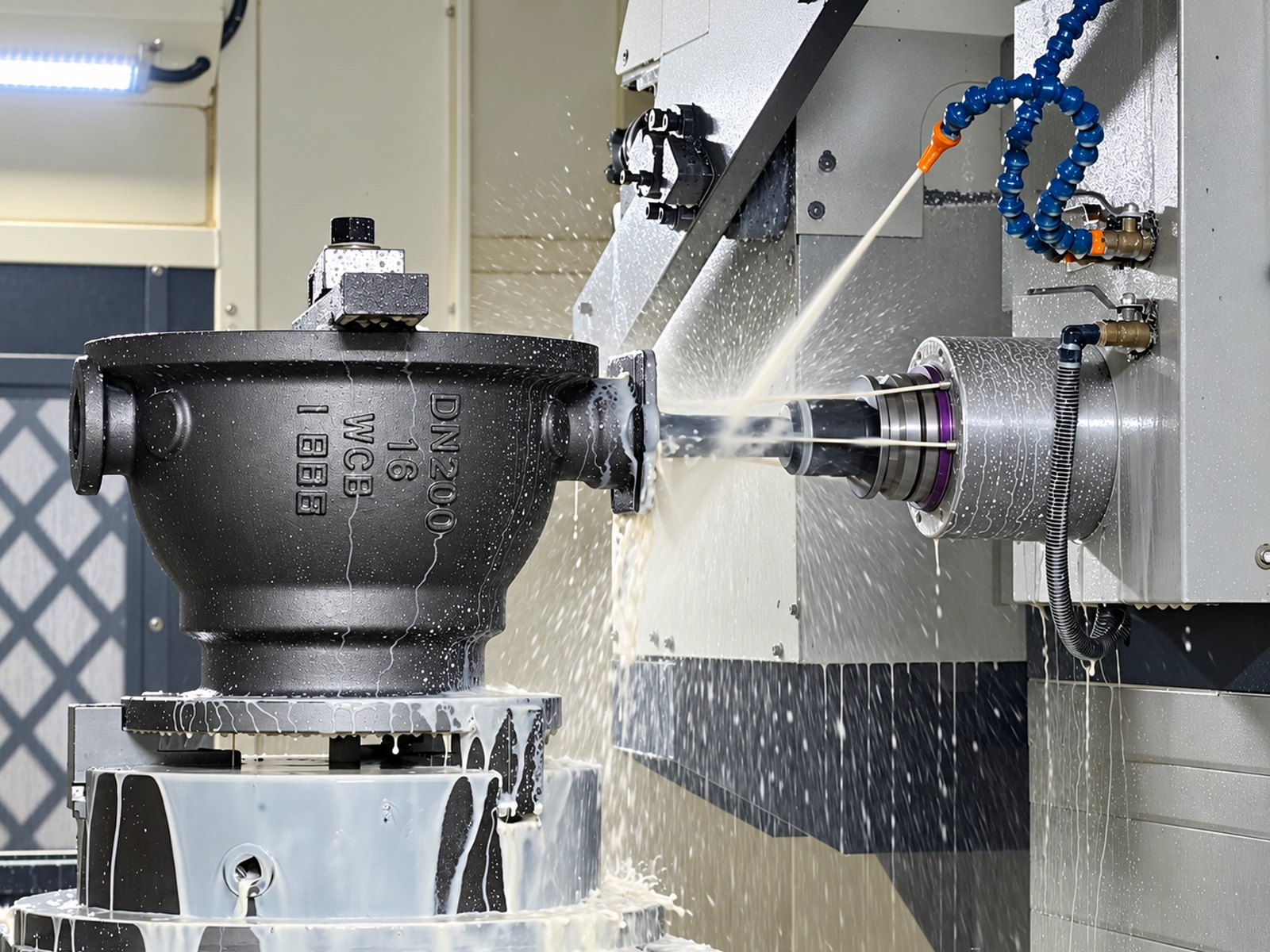
Explore ball valve CNC machining, assembly, dimensional inspection and pressure testing at ARITA.
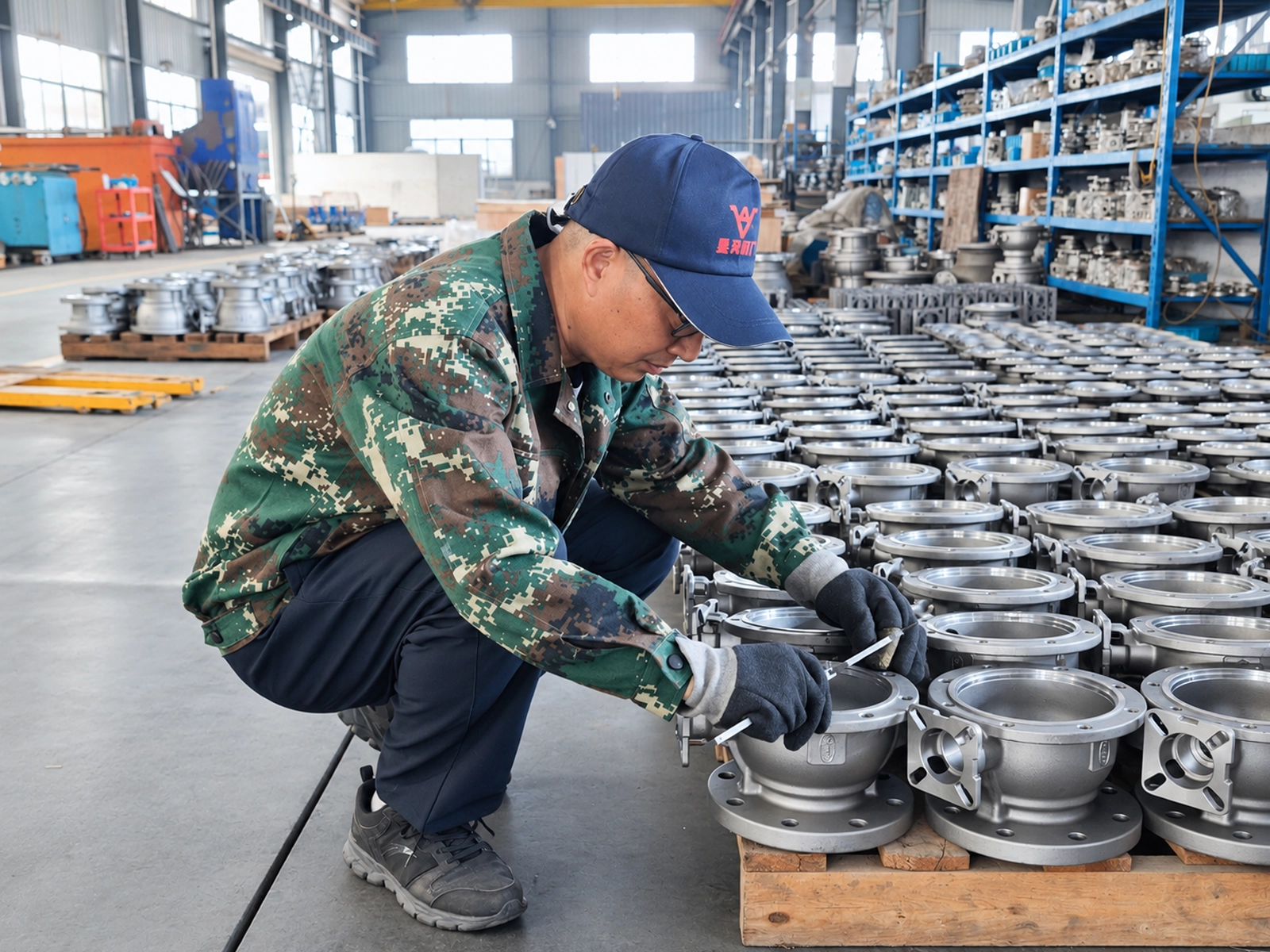
Our workshop machines valve bodies and components for ball valve production. Share your drawings, material specifications and end-connection requirements so manufacturing details can be reviewed before production.
Discuss manufacturing requirements ↗Ball valve assembly brings together the body, ball, stem, seats and seals. Confirm seat and seal materials, actuation and operating requirements with our team for your project.
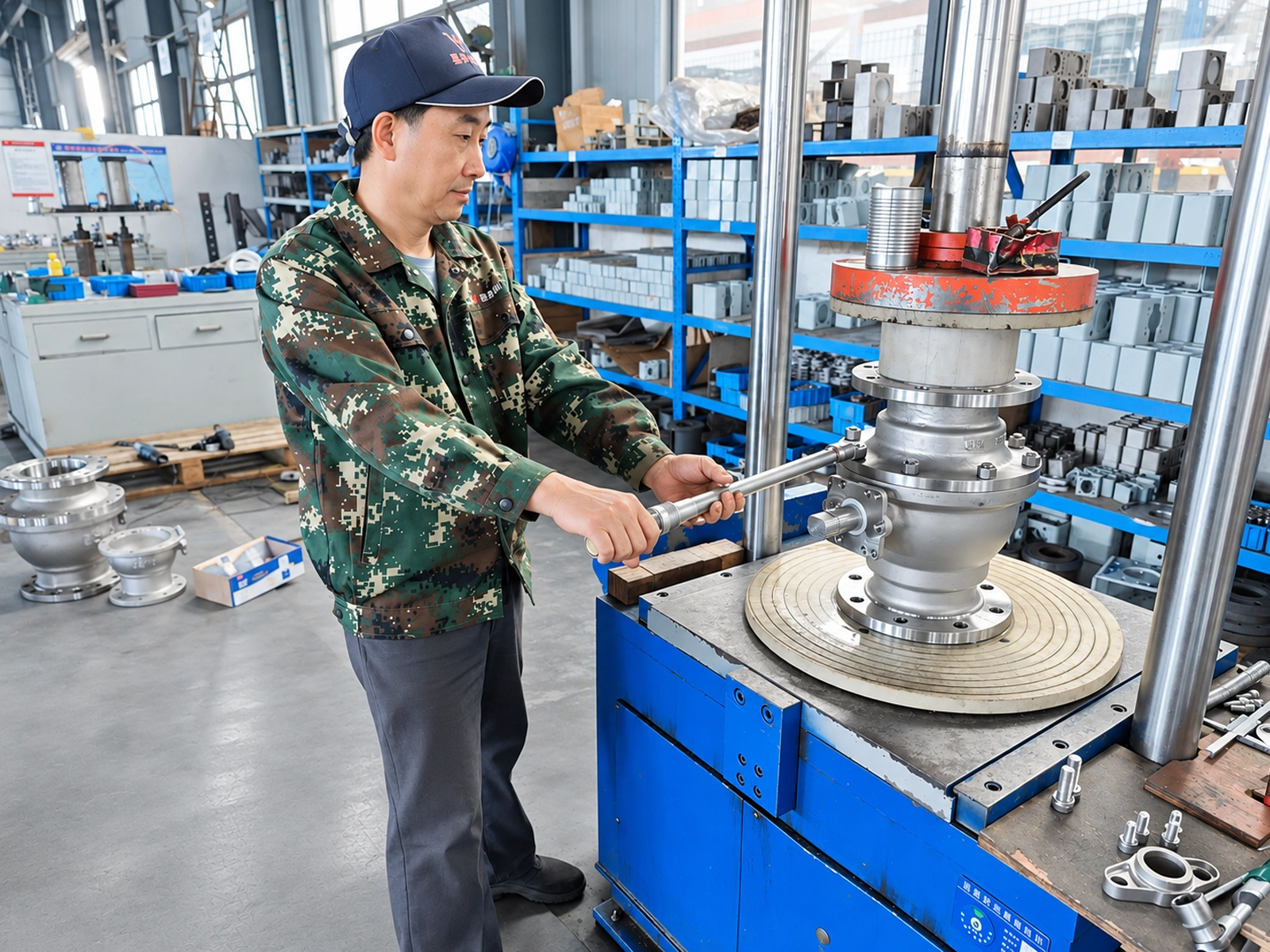
Explore manufacturing services ↗Component dimensions are checked on the workshop floor. Identify critical interfaces, connection dimensions and drawing tolerances early so inspection requirements can be aligned with your order.
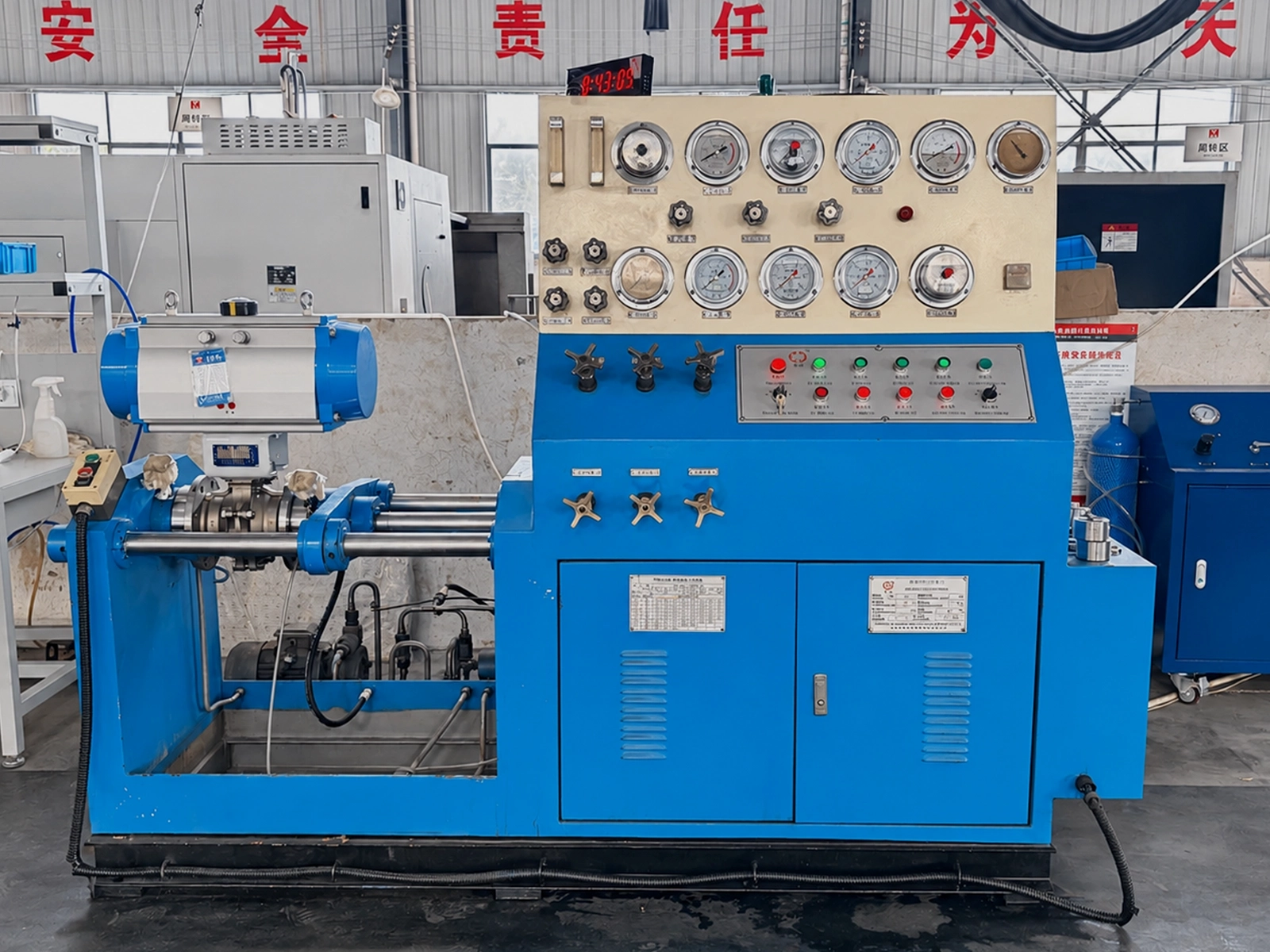
Explore quality inspection ↗Our pressure testing equipment supports valve inspection. Discuss shell and seat test requirements, including test medium, pressure, holding time, acceptance criteria and required records, with our team.
Discuss testing requirements ↗
ARITA NEW VALVE / CUSTOM DEVELOPMENT
Custom Ball ValveDevelopment
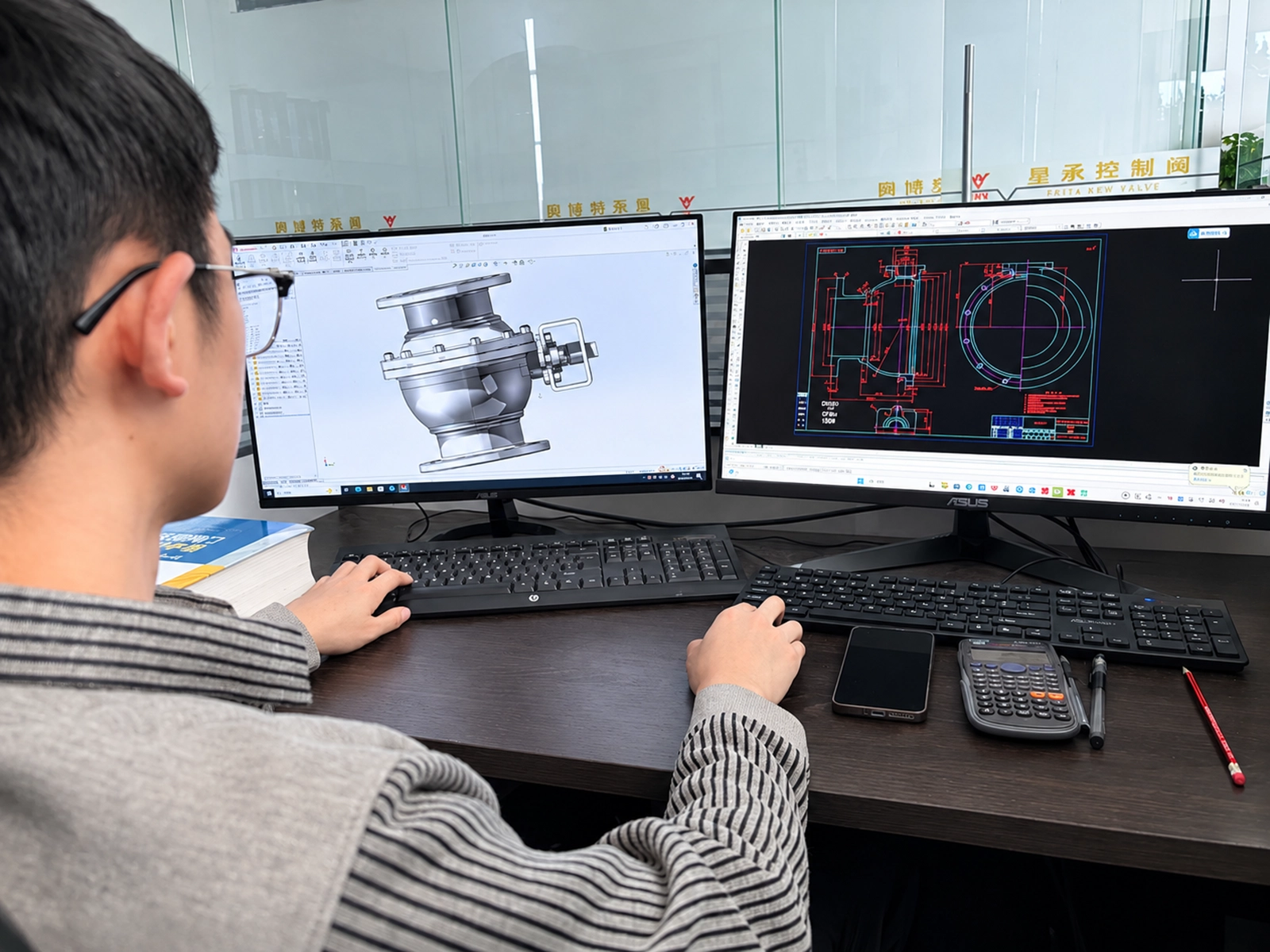
A custom ball valve begins with the conditions it must handle. ARITA’s seven-stage process takes your requirements through technical drawings, sample approval, a pilot batch and production.
01Valve specification · Size, pressure rating, body material and end connection
02Service conditions · Process medium, operating temperature and environment
03Design review · Technical discussion and drawing approval before tooling and samples
From requirements to production
Select a stage to explore ↗
STEP 01 / 07
Share Your Requirements
Tell our sales team your valve size, operating pressure, material, temperature, process medium and operating environment. These requirements go to our technical team.
STEP 02 / 07
Drawing Approval
Our technical team prepares preliminary drawings and discusses the design with you. Revisions continue until the valve drawing is confirmed.
STEP 03 / 07
Commercial Agreement
After drawing approval, our sales team confirms pricing, delivery arrangements and commercial terms with you before the contract is signed.
STEP 04 / 07
Tooling & Sample Approval
Following contract confirmation, tooling is prepared and valve samples are made for your review and approval.
STEP 05 / 07
Pilot Production
Once the samples are approved, a small production batch is made to validate the product and the manufacturing process.
STEP 06 / 07
Pilot Batch Approval
Pilot batch results are reviewed and confirmed before the project moves to full-scale production.
STEP 07 / 07
Full-Scale Production
After pilot batch validation, full-scale manufacturing begins in line with the agreed valve specifications and contract.
ARITA NEW VALVE / FACTORY & DELIVERY
Inside the factory.
A closer look at ball valve manufacturing, CNC machining, component handling and packing before dispatch.
ARITA NEW VALVE / QUALITY & DOCUMENTATION
Quality & Credentials.
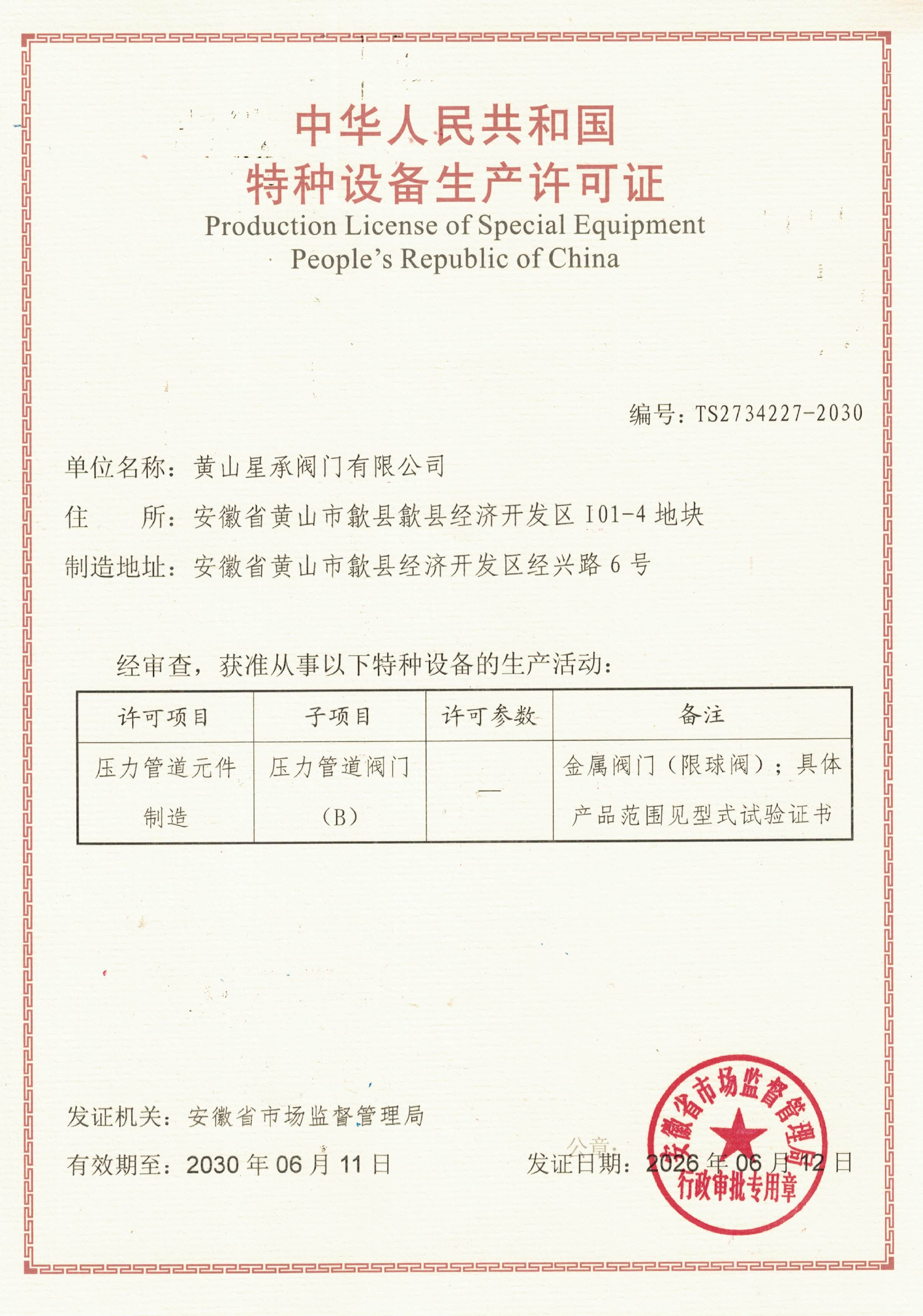
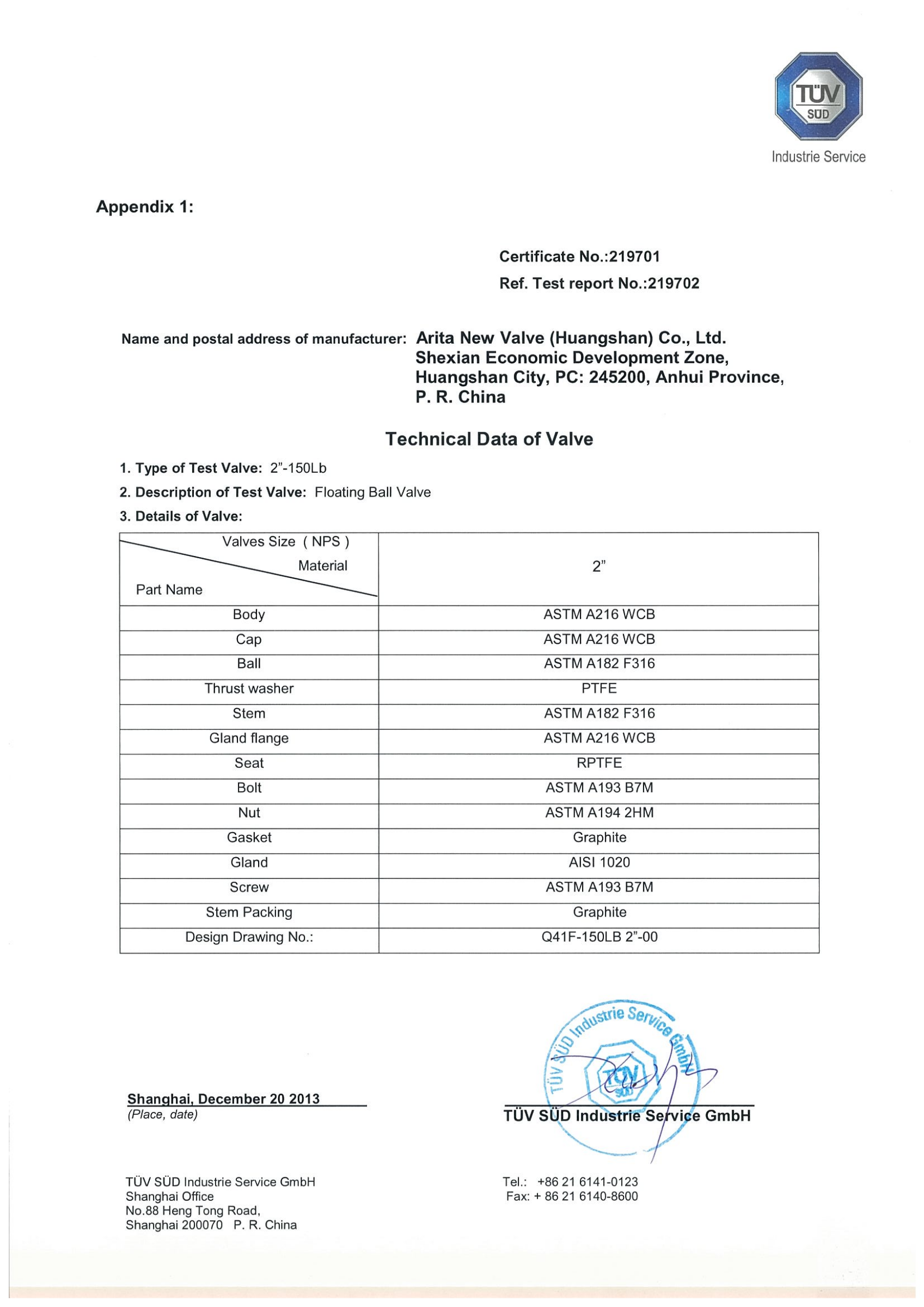
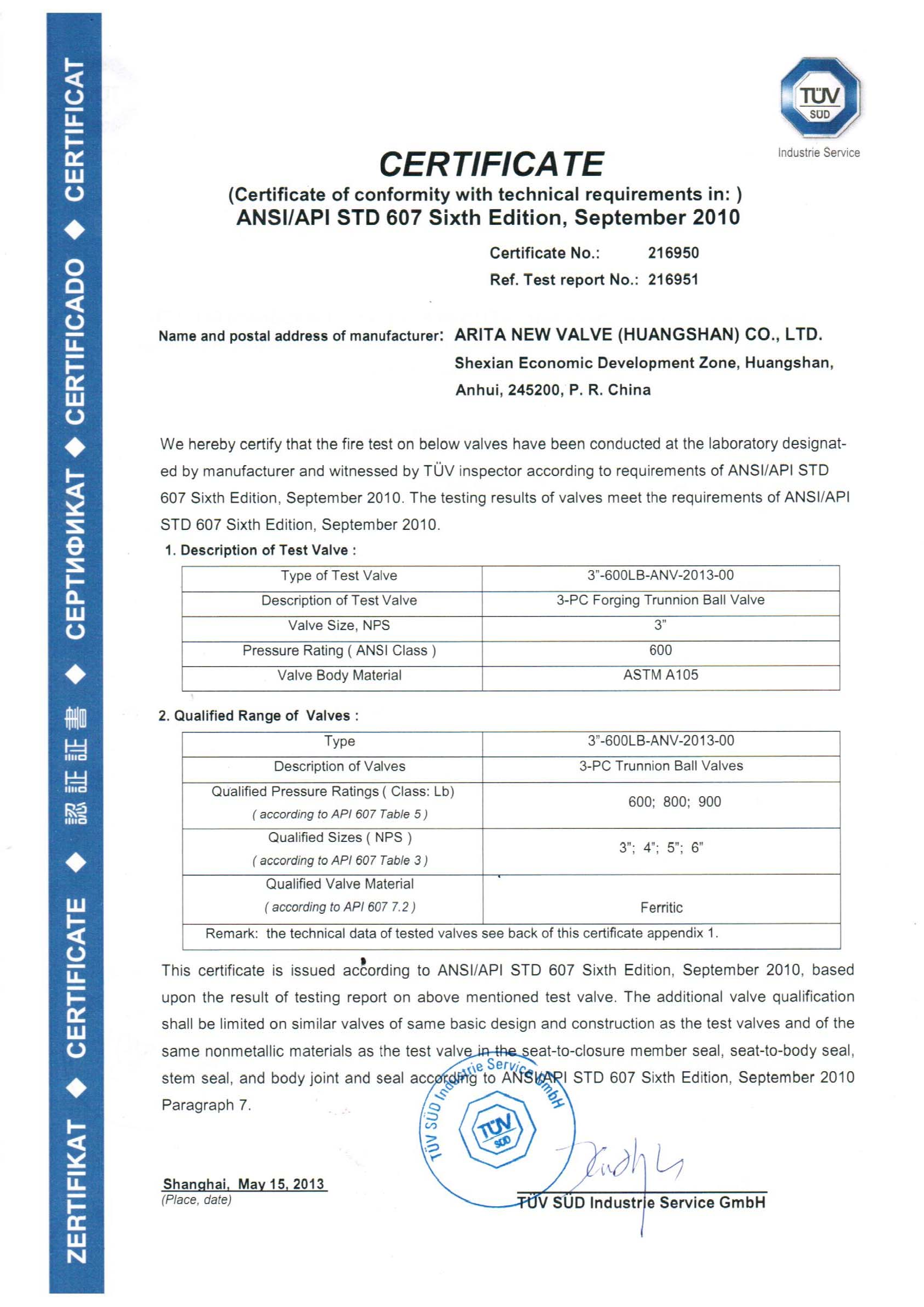
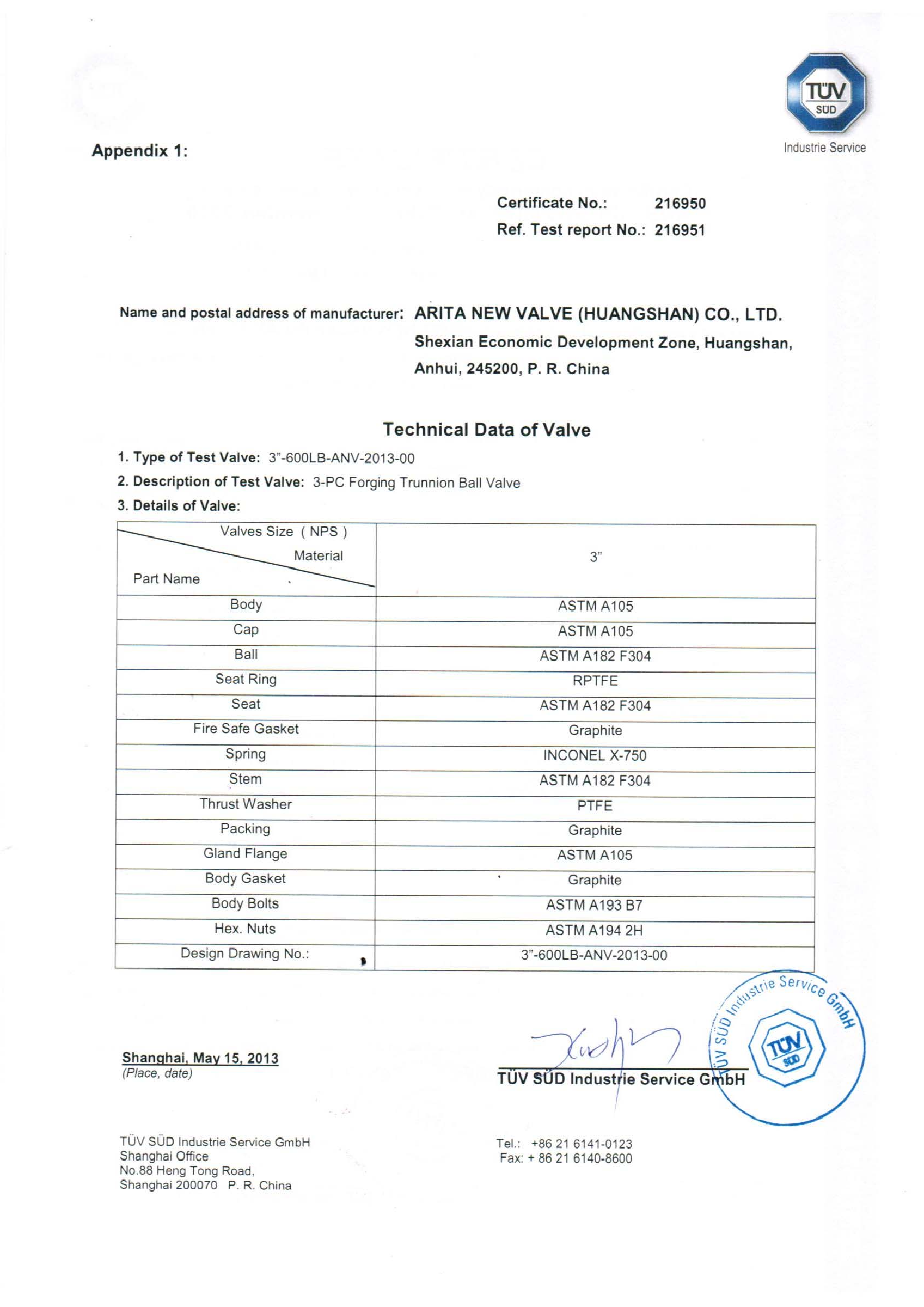
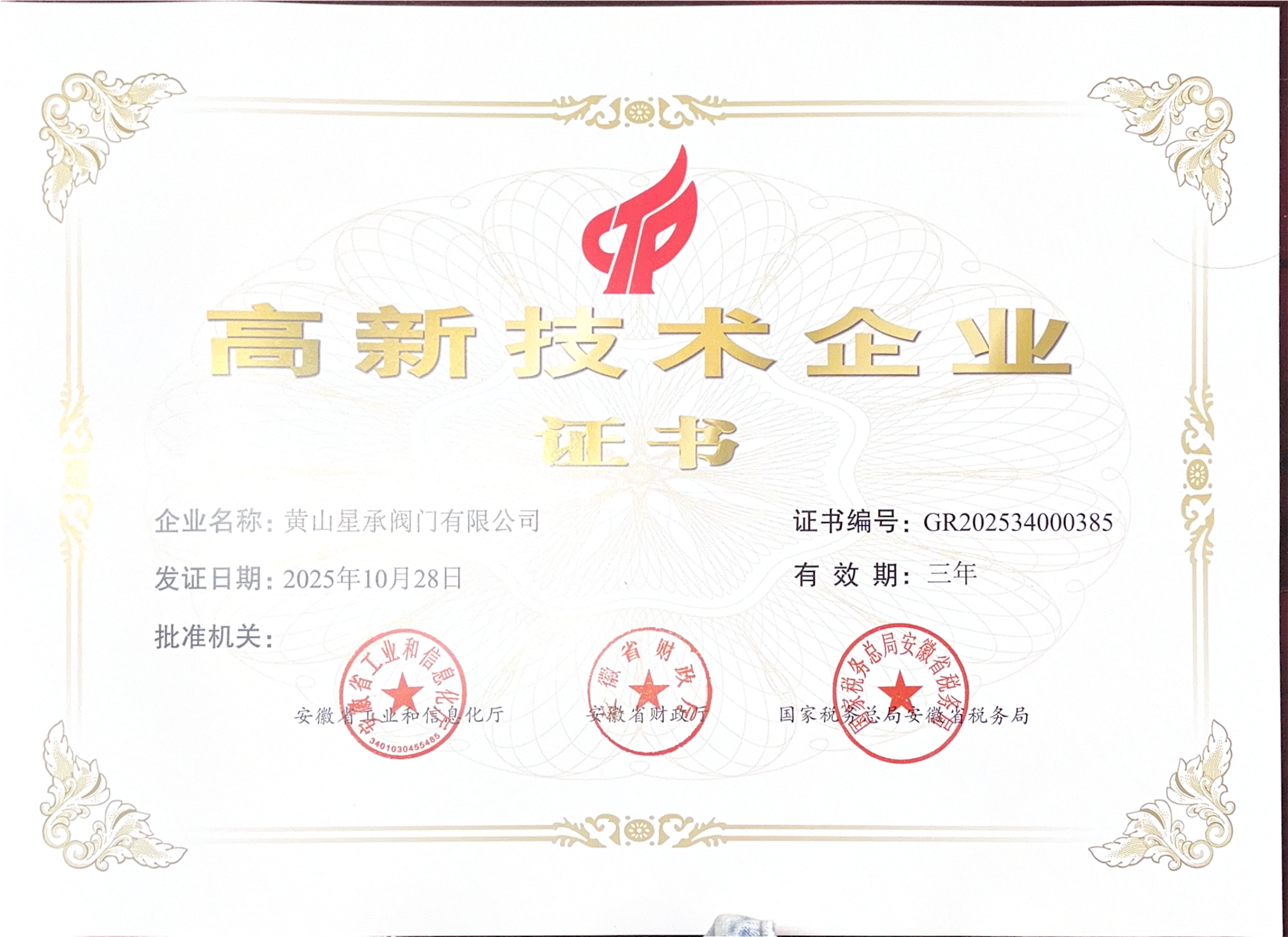
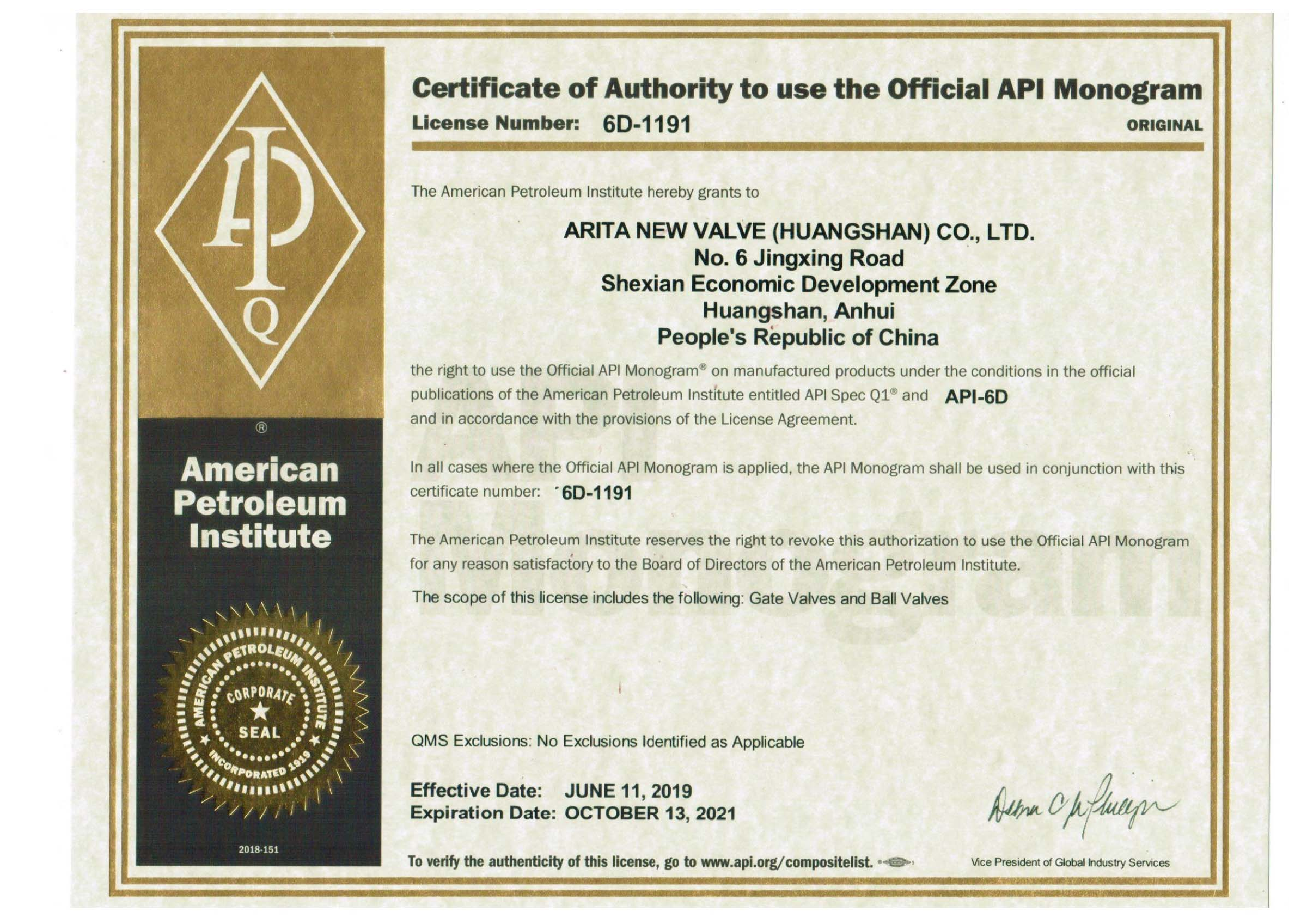
Review ARITA's quality management certificate, valve manufacturing license, ball valve fire-test records and engineering documents. Select a document to inspect the original image and its scope.
Quality & Licensing
Management and manufacturing documents
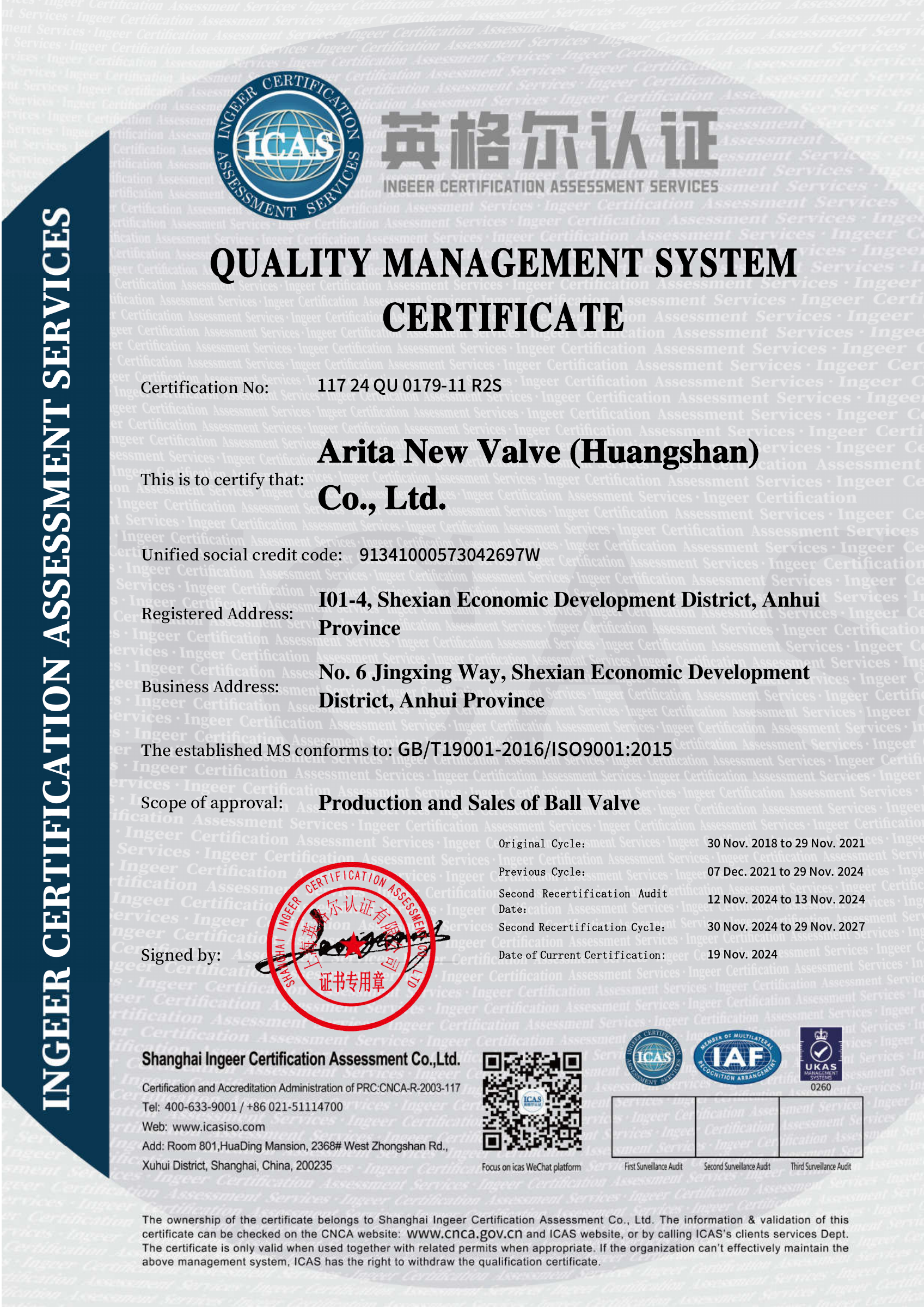
Quality management
Valve manufacturing document
Ball Valve Fire-Test Records
Certificates with their technical appendices
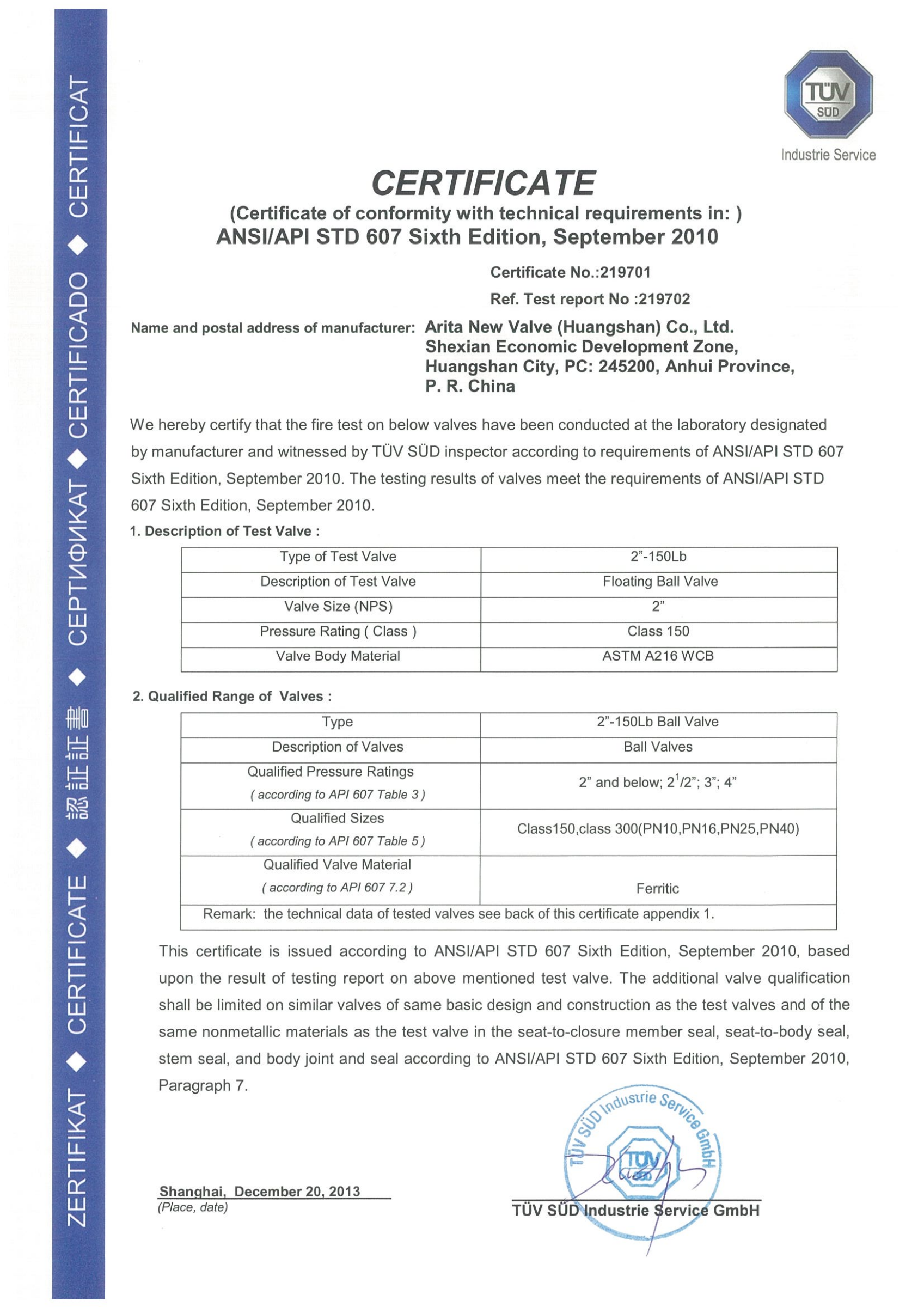
Fire-test certificate + appendix
Engineering & History
Patent, recognition and historical archive
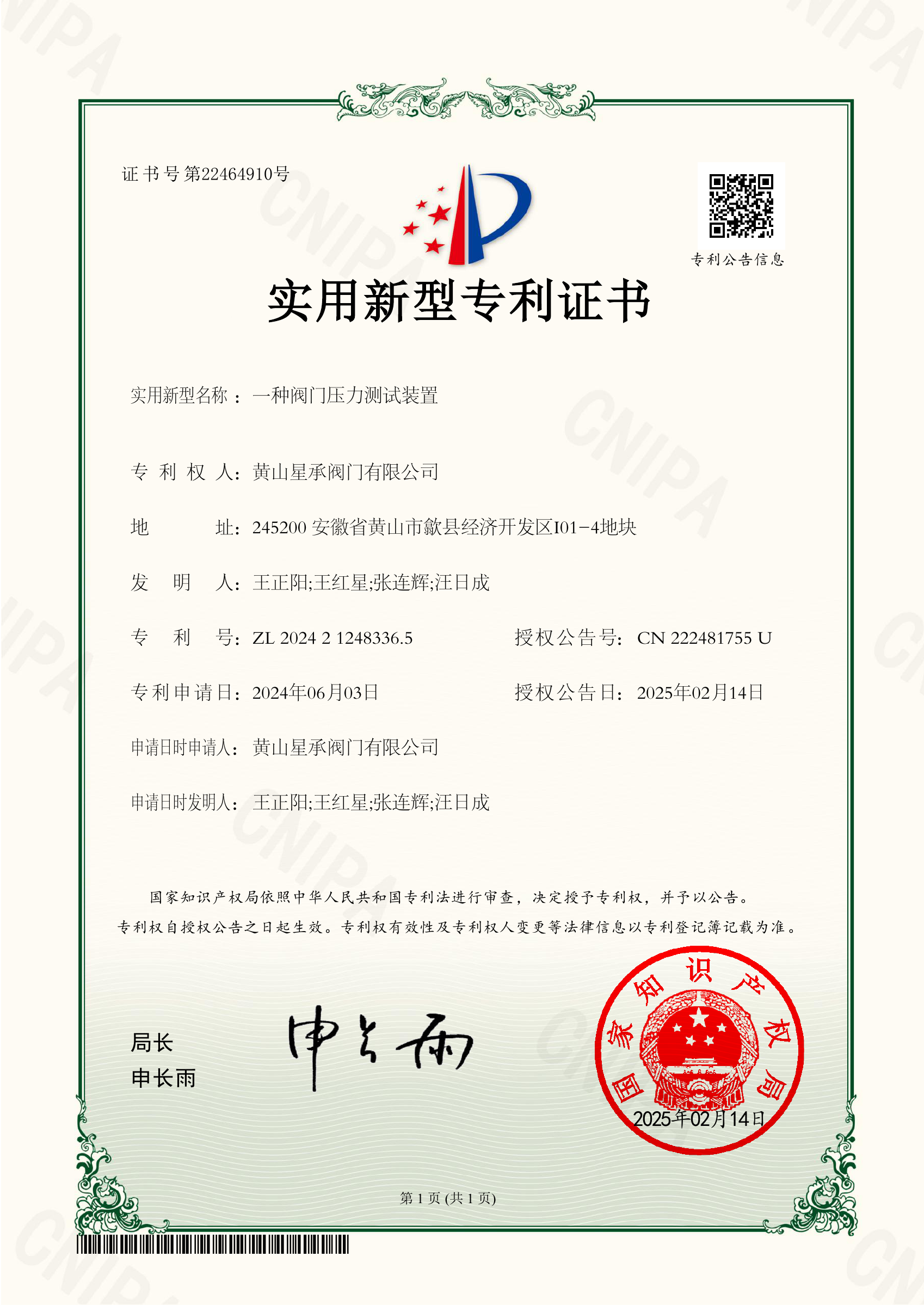
Engineering patent
Enterprise recognition
Archived document
Scope and status apply to each individual document. Historical records do not establish current certification or licensing.
Discuss your requirements ↗ARITA NEW VALVE / INDUSTRY APPLICATIONS
Ball valve applications.
Explore industrial environments where ball valve selection depends on process medium, pressure, temperature, sealing and material compatibility. Open an image for the relevant selection factors.
Isolation duty · Corrosion exposure
Process media · Material compatibility
Gas composition · Sealing
Cleanability · Contact materials
Utility gases · Cooling water
Process medium · Cleaning
Water quality · Solids content
Test conditions · Fluid compatibility
Temperature · Isolation duty
Fluid compatibility · Corrosion
Process media · Chemical compatibility
Fiber content · Sealing
Salinity · Corrosion resistance
Solids content · Abrasion exposure
Cleaning · Product-contact materials
ARITA / TECHNICAL Q&A
Before you specify.
Ball valve selection and ordering.
Eight questions. Clear starting points.
How do I request a ball valve quotation?
Send valve size, pressure class, process medium, temperature, materials and quantity. Include a drawing or specification when available.
Share the valve size, pressure class, operating and design conditions, temperature range, process medium, materials, end connections and quantity. Include drawings, project specifications and delivery requirements when available.
For an actuated ball valve, also include the power or air supply, required fail position and control accessories.
Floating or trunnion-mounted ball valve?
Compare size, pressure, differential pressure, sealing requirements and operating torque.
The appropriate construction depends on size, pressure, differential pressure, sealing requirements and operating torque. Size or pressure alone is not enough. Share the operating duty for technical review.
Which ball valve materials suit my service?
Match body, ball, stem, seats and seals to the medium, pressure and temperature.
Body, ball, stem, seats and seals must suit the process medium, concentration, pressure, temperature and environment. Material grade or pressure class alone does not establish suitability. Review the configuration and pressure–temperature limits of the valve offered.
How do I specify shutoff performance?
Agree on seat materials, test conditions and leakage acceptance criteria.
Provide the process medium, temperature, differential pressure, operating frequency and required sealing performance. Evaluate soft or metal seats for the service. Agree on the test method and leakage acceptance criteria before ordering, rather than using an undefined “zero leakage” description.
What about solids or abrasive media?
Share solids content, particle size, hardness and any buildup or wear problems.
Provide solids content, particle size and hardness, medium chemistry, temperature, pressure and operating frequency. Describe buildup, crystallisation, wear or sticking problems. These details inform construction, seating and wear-resistance review.
How is a ball valve actuator selected?
Confirm valve torque, power or air supply, mounting interface and fail position.
Actuator selection requires valve torque, service conditions, operating frequency and available power or air supply. Pipeline pressure and pneumatic supply pressure are separate inputs. Confirm mounting interface, fail position, operating time and accessories.
Which valve tests and records should I request?
Define inspection scope, test criteria, material records and witness requirements.
Specify inspection scope, applicable test standards, acceptance criteria, material records and third-party witness requirements. Confirm their applicability to the actual order. A displayed certificate or fire-test record does not automatically cover every valve design.
How does custom ball valve development work?
Review drawings, samples and the pilot batch before full-scale production.
Requirements review → technical discussion and drawing approval → commercial agreement → tooling and sample approval → pilot production → pilot batch approval → full-scale production.
Drawings are confirmed before commercial agreement. Samples and the pilot batch are reviewed before the next production stage.
Explore the development process ↗ARITA / LET’S TALK
A few details.
A real
conversation.
Tell us which valves or services interest you. Our sales team will help you take the next step.
Industrial ball valves / Custom valve projects
What do you have in mind?
Leave your contact details and a brief outline.